
Jul 16, 2026
AI Meets the Frame
Generative visuals and 3D are reshaping how films are imagined. How FishEye integrates AI into a cinematic pipeline, without surrendering the craft.
Innovation
AI Visuals
3D
Future
AI does not replace cinematic vision, it accelerates it. At FishEye, technology serves the story, and the story always leads.
The most important question about AI in filmmaking is not what the technology can do, but who is directing it. At FishEye Films, generative tools entered our pipeline the same way every instrument does: in service of the treatment. We use AI-driven concept art to visualize a film's world during development, giving clients and funders a tangible sense of tone, palette, and atmosphere before production begins. Previsualization that once took weeks now takes days, which means more iterations, sharper creative decisions, and stronger pitches. This acceleration changes the economics of ambition. Ideas that were once too expensive to explore, a historical reconstruction, a stylized dream sequence, a brand world built from nothing, can now be tested, refined, and approved at concept stage. What does not change is authorship. Every generated frame passes through our art directors, who curate, correct, and compose until the output carries FishEye's unmistakable cinematic signature.

Craft
Generative tools produce images. Directors produce meaning. The difference between the two is exactly where our studio lives.
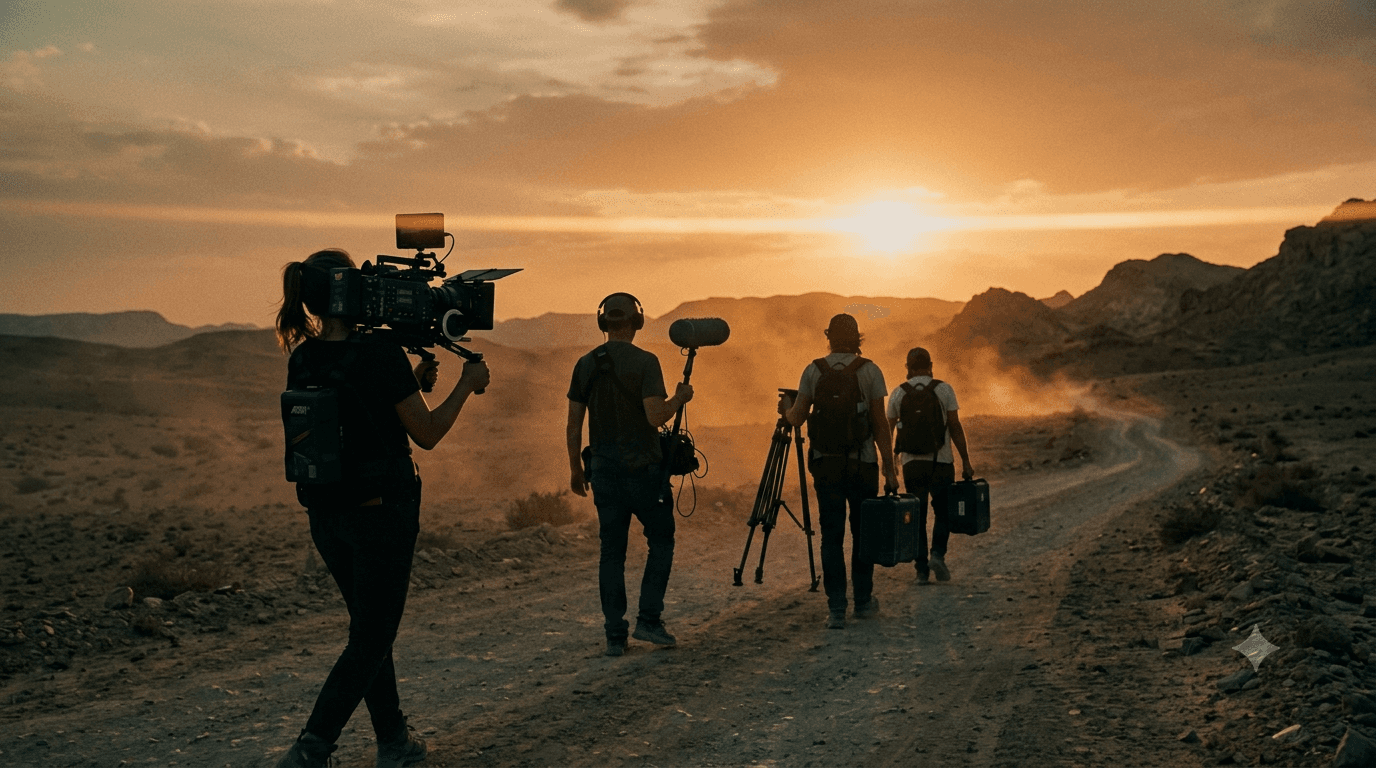
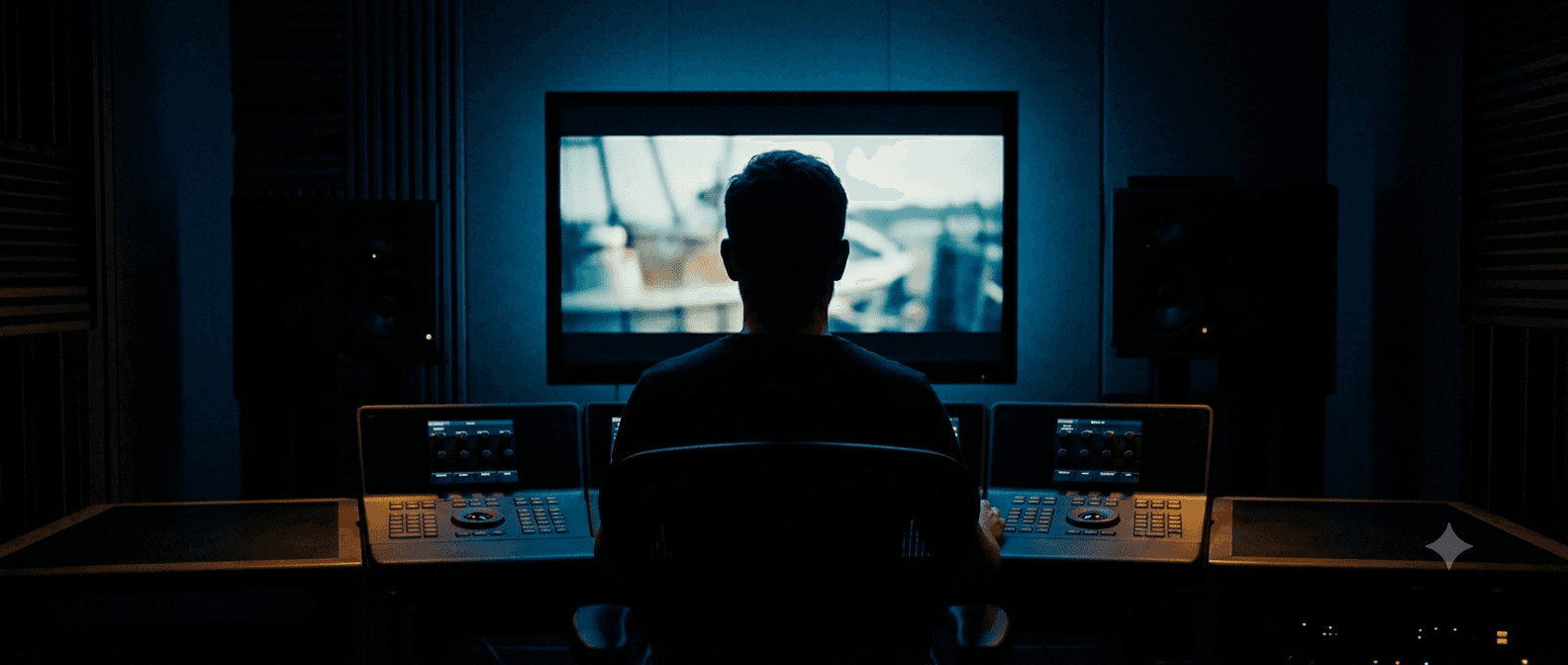
In practice, AI-driven visuals and 3D at FishEye operate across three layers of production. In development, generative concept art and style frames define a project's visual identity. In production, 3D previsualization maps complex sequences, camera moves, set builds, lighting scenarios, so shoot days run with surgical precision. In post, generative rendering and 3D compositing extend what the camera captured: environments completed, eras reconstructed, brand worlds visualized at a fidelity that once demanded blockbuster budgets. Each layer is governed by the same principle of human curation. Our artists treat generative output as raw material, the way a cinematographer treats available light, something to be shaped, not accepted. We maintain rigorous standards around visual consistency, ensuring AI-assisted frames sit seamlessly beside footage from our cinema cameras. For commercial clients, this hybrid pipeline delivers premium visuals at unprecedented speed. For documentary work, it opens respectful, clearly signposted ways to visualize what cameras could never reach.


Future
The next decade belongs to studios fluent in both cinema and computation. FishEye is building that fluency into everything we make.
The convergence of filmmaking and generative technology is not a trend to observe, it is a capability to master. FishEye invests in this fluency deliberately: our teams prototype emerging tools, stress-test them against real client briefs, and adopt only what strengthens the final image. This discipline protects our clients from novelty and connects them to genuine advantage: faster development, richer visual worlds, and budgets that stretch further without compromising cinematic quality. We are equally clear about boundaries. In documentary, authenticity is non-negotiable; generative elements are used transparently and never to fabricate reality. In branded and commercial work, they are a creative superpower, enabling visual identities and campaign worlds limited only by imagination. Standing at the intersection of Doha, Istanbul, and Damascus, FishEye has always translated between worlds. Translating between the language of cinema and the language of computation is simply our next chapter, and we are already writing it.

FAQ
01
What makes FishEye Films different?
02
What production services do you offer?
03
Do you work on international projects?
04
Can you manage projects from start to finish?
05
Who do you usually work with?
06
Where does FishEye Films operate?
07
Can your team support local productions?
08
How can we start working together?
Jul 16, 2026
AI Meets the Frame
Generative visuals and 3D are reshaping how films are imagined. How FishEye integrates AI into a cinematic pipeline, without surrendering the craft.
Innovation
AI Visuals
3D
Future
AI does not replace cinematic vision, it accelerates it. At FishEye, technology serves the story, and the story always leads.
The most important question about AI in filmmaking is not what the technology can do, but who is directing it. At FishEye Films, generative tools entered our pipeline the same way every instrument does: in service of the treatment. We use AI-driven concept art to visualize a film's world during development, giving clients and funders a tangible sense of tone, palette, and atmosphere before production begins. Previsualization that once took weeks now takes days, which means more iterations, sharper creative decisions, and stronger pitches. This acceleration changes the economics of ambition. Ideas that were once too expensive to explore, a historical reconstruction, a stylized dream sequence, a brand world built from nothing, can now be tested, refined, and approved at concept stage. What does not change is authorship. Every generated frame passes through our art directors, who curate, correct, and compose until the output carries FishEye's unmistakable cinematic signature.
Craft
Generative tools produce images. Directors produce meaning. The difference between the two is exactly where our studio lives.
In practice, AI-driven visuals and 3D at FishEye operate across three layers of production. In development, generative concept art and style frames define a project's visual identity. In production, 3D previsualization maps complex sequences, camera moves, set builds, lighting scenarios, so shoot days run with surgical precision. In post, generative rendering and 3D compositing extend what the camera captured: environments completed, eras reconstructed, brand worlds visualized at a fidelity that once demanded blockbuster budgets. Each layer is governed by the same principle of human curation. Our artists treat generative output as raw material, the way a cinematographer treats available light, something to be shaped, not accepted. We maintain rigorous standards around visual consistency, ensuring AI-assisted frames sit seamlessly beside footage from our cinema cameras. For commercial clients, this hybrid pipeline delivers premium visuals at unprecedented speed. For documentary work, it opens respectful, clearly signposted ways to visualize what cameras could never reach.
Future
The next decade belongs to studios fluent in both cinema and computation. FishEye is building that fluency into everything we make.
The convergence of filmmaking and generative technology is not a trend to observe, it is a capability to master. FishEye invests in this fluency deliberately: our teams prototype emerging tools, stress-test them against real client briefs, and adopt only what strengthens the final image. This discipline protects our clients from novelty and connects them to genuine advantage: faster development, richer visual worlds, and budgets that stretch further without compromising cinematic quality. We are equally clear about boundaries. In documentary, authenticity is non-negotiable; generative elements are used transparently and never to fabricate reality. In branded and commercial work, they are a creative superpower, enabling visual identities and campaign worlds limited only by imagination. Standing at the intersection of Doha, Istanbul, and Damascus, FishEye has always translated between worlds. Translating between the language of cinema and the language of computation is simply our next chapter, and we are already writing it.
FAQ
01
What makes FishEye Films different?
02
What production services do you offer?
03
Do you work on international projects?
04
Can you manage projects from start to finish?
05
Who do you usually work with?
06
Where does FishEye Films operate?
07
Can your team support local productions?
08
How can we start working together?
Jul 16, 2026
AI Meets the Frame
Generative visuals and 3D are reshaping how films are imagined. How FishEye integrates AI into a cinematic pipeline, without surrendering the craft.
Innovation
AI Visuals
3D
Future
AI does not replace cinematic vision, it accelerates it. At FishEye, technology serves the story, and the story always leads.
The most important question about AI in filmmaking is not what the technology can do, but who is directing it. At FishEye Films, generative tools entered our pipeline the same way every instrument does: in service of the treatment. We use AI-driven concept art to visualize a film's world during development, giving clients and funders a tangible sense of tone, palette, and atmosphere before production begins. Previsualization that once took weeks now takes days, which means more iterations, sharper creative decisions, and stronger pitches. This acceleration changes the economics of ambition. Ideas that were once too expensive to explore, a historical reconstruction, a stylized dream sequence, a brand world built from nothing, can now be tested, refined, and approved at concept stage. What does not change is authorship. Every generated frame passes through our art directors, who curate, correct, and compose until the output carries FishEye's unmistakable cinematic signature.
Craft
Generative tools produce images. Directors produce meaning. The difference between the two is exactly where our studio lives.
In practice, AI-driven visuals and 3D at FishEye operate across three layers of production. In development, generative concept art and style frames define a project's visual identity. In production, 3D previsualization maps complex sequences, camera moves, set builds, lighting scenarios, so shoot days run with surgical precision. In post, generative rendering and 3D compositing extend what the camera captured: environments completed, eras reconstructed, brand worlds visualized at a fidelity that once demanded blockbuster budgets. Each layer is governed by the same principle of human curation. Our artists treat generative output as raw material, the way a cinematographer treats available light, something to be shaped, not accepted. We maintain rigorous standards around visual consistency, ensuring AI-assisted frames sit seamlessly beside footage from our cinema cameras. For commercial clients, this hybrid pipeline delivers premium visuals at unprecedented speed. For documentary work, it opens respectful, clearly signposted ways to visualize what cameras could never reach.
Future
The next decade belongs to studios fluent in both cinema and computation. FishEye is building that fluency into everything we make.
The convergence of filmmaking and generative technology is not a trend to observe, it is a capability to master. FishEye invests in this fluency deliberately: our teams prototype emerging tools, stress-test them against real client briefs, and adopt only what strengthens the final image. This discipline protects our clients from novelty and connects them to genuine advantage: faster development, richer visual worlds, and budgets that stretch further without compromising cinematic quality. We are equally clear about boundaries. In documentary, authenticity is non-negotiable; generative elements are used transparently and never to fabricate reality. In branded and commercial work, they are a creative superpower, enabling visual identities and campaign worlds limited only by imagination. Standing at the intersection of Doha, Istanbul, and Damascus, FishEye has always translated between worlds. Translating between the language of cinema and the language of computation is simply our next chapter, and we are already writing it.
FAQ
What makes FishEye Films different?
What production services do you offer?
Do you work on international projects?
Can you manage projects from start to finish?
Who do you usually work with?
Where does FishEye Films operate?
Can your team support local productions?
How can we start working together?